Guarding Digital Heritage: Protecting Indigenous Data in the Age of AI
As AI tools become common in workplaces everywhere, Indigenous organizations face unique risks around data sovereignty. Here's how to adopt automation safely while keeping community data under community control.


AI tools are being adopted rapidly across industries. But for First Nations, Inuit, and Metis organizations, this wave of adoption carries risks that most vendors don’t acknowledge or even understand.
The extraction and external storage of Indigenous data have historically served as extensions of colonialism in digital form. Now, with generative AI systems trained on massive scraped datasets, the stakes are higher than ever. When community data enters a general-purpose AI system, it can be used to train models, surface in outputs given to other users, or be stored on servers with no obligation to protect Indigenous rights. Once data leaves community control, getting it back is effectively impossible.
Generative AI vs. Rule-Based Automation
This distinction is critical and most technology vendors gloss over it.
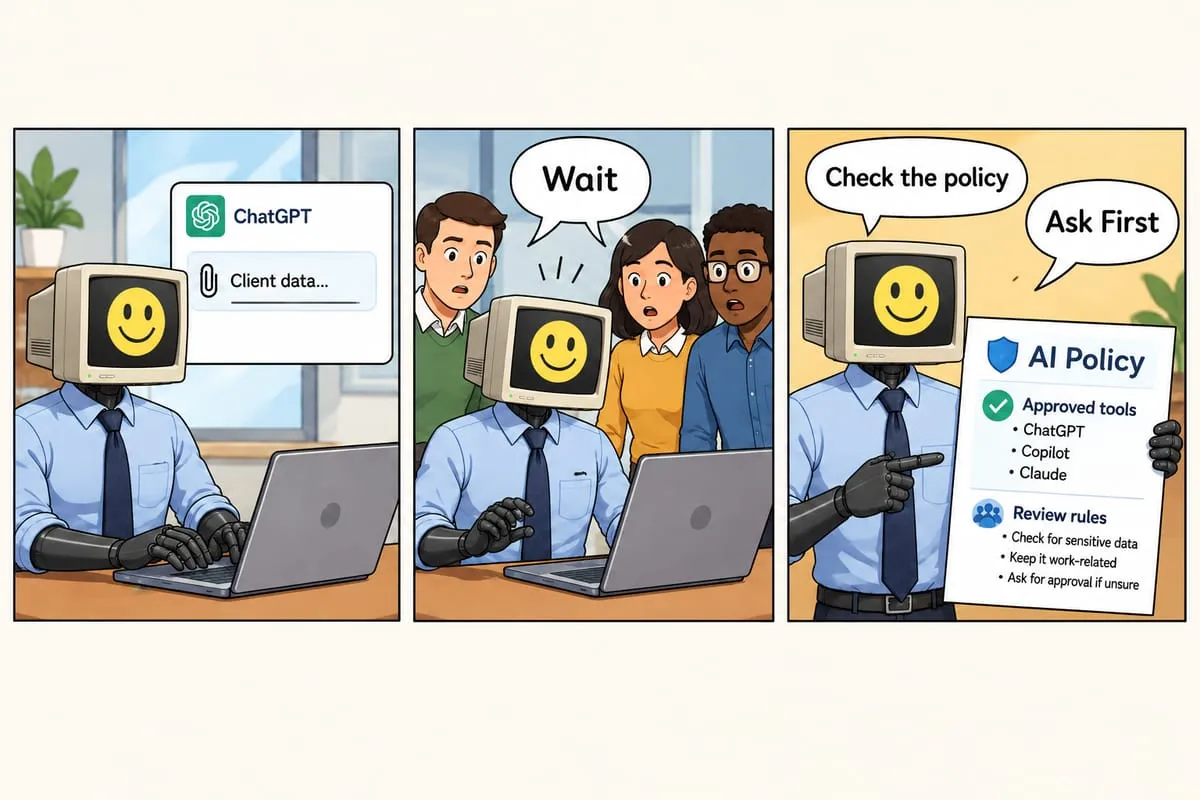
Generative AI (tools like ChatGPT, Copilot, or Claude) learns patterns from massive datasets and generates new content based on those patterns. When you input data into these systems, that information may be used to improve the model, stored indefinitely, or surfaced to other users. For a band office processing sensitive membership records, health claims, or financial data, this is a serious problem.
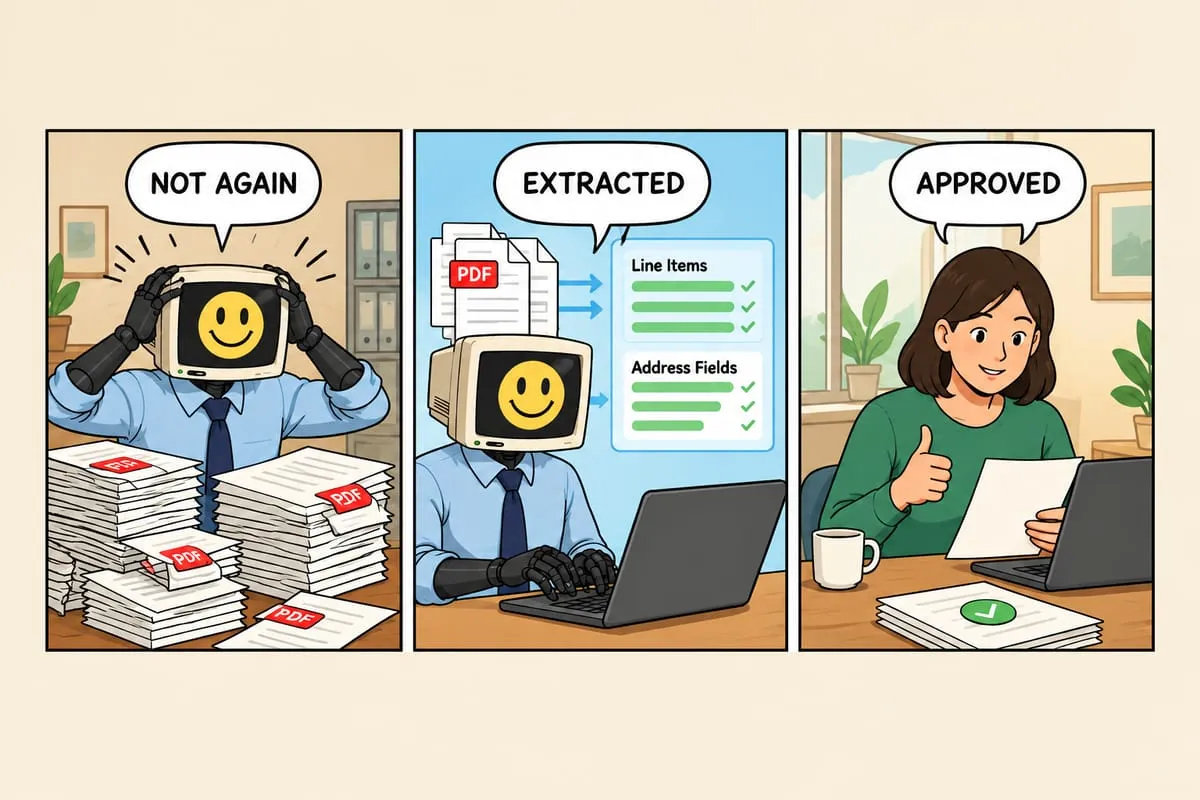
Rule-based automation works fundamentally differently. An automation agent follows explicit, predetermined rules that your community defines. It doesn’t learn, improvise, or generate content. It executes exactly the steps you’ve specified: extract data from Column A, format it per Template B, deliver it to System C. Nothing more.
Rule-based automation is deterministic. The same input always produces the same output. No hallucination, no creative interpretation, no hidden learning. Your data is processed according to your rules and stays exactly where you put it.
This is the approach we take at DigitalStaff. Our automations follow the exact rules, processes, and protocols that your organization dictates.
OCAP: The Foundation
The First Nations principles of OCAP (Ownership, Control, Access, and Possession), developed by the First Nations Information Governance Centre (FNIGC), assert that:
- Ownership: The community collectively owns its cultural knowledge, data, and information
- Control: The community controls all aspects of data management, from collection to storage to use
- Access: The community has the right to manage and make decisions about access to its data
- Possession: Physical control of data must remain with the community or a designated entity
Any technology deployed in an Indigenous context must align with these principles. If it doesn’t, it has no place in your organization.
What to Ask Technology Vendors
Whether you’re evaluating DigitalStaff or anyone else, here are the questions every Indigenous organization should ask:
Where is our data stored? Demand specifics. Data stored outside Canada may be subject to foreign surveillance laws, including the US CLOUD Act.
Is our data used to train AI models? Many “free” AI tools subsidize their business by using customer data to improve their models. If the answer isn’t an unequivocal “no,” walk away.
Who has access to our data? Understand every layer: the vendor’s staff, their subcontractors, their cloud providers.
Can we get our data back? If you end the relationship, can you export everything in a standard format? Vendor lock-in is a modern form of data extraction.
Does the vendor understand OCAP? Not in a marketing-copy sense, but genuinely. Can they explain how their architecture enforces it?
How We Approach Data Sovereignty
We’ve worked with First Nations, Inuit, and Metis organizations for over five years. Data sovereignty is foundational to how we build.
- Canadian-hosted infrastructure. We do not route data through foreign servers.
- Rule-based, not generative. Our automations follow explicit rules defined by your community. They do not learn from, generate content from, or share your data.
- Community-controlled access. We operate under the permissions you grant and nothing more. When the engagement ends, your data stays with you.
- Full audit trails. Every automated action is logged.
- No third-party sharing without explicit, documented consent from your community.
Practical Steps for Your Organization
If your community is considering any AI or automation technology:
- Audit your current data flows. Where does community data currently live? Who has access? Is any data being sent to external cloud services or AI tools?
- Establish a data governance policy. Document who can access what data, where it’s stored, and under what conditions it can be shared.
- Classify your data sensitivity. Membership records, health data, and cultural knowledge require the highest protection.
- Evaluate vendors against OCAP. Any vendor that can’t clearly answer the questions above isn’t ready to serve Indigenous communities.
- Prefer rule-based automation over generative AI for sensitive workflows. Deterministic systems that follow your rules are far safer than AI systems that learn and generate.
- Demand Canadian hosting. Data residency matters.
Technology Should Serve Self-Determination
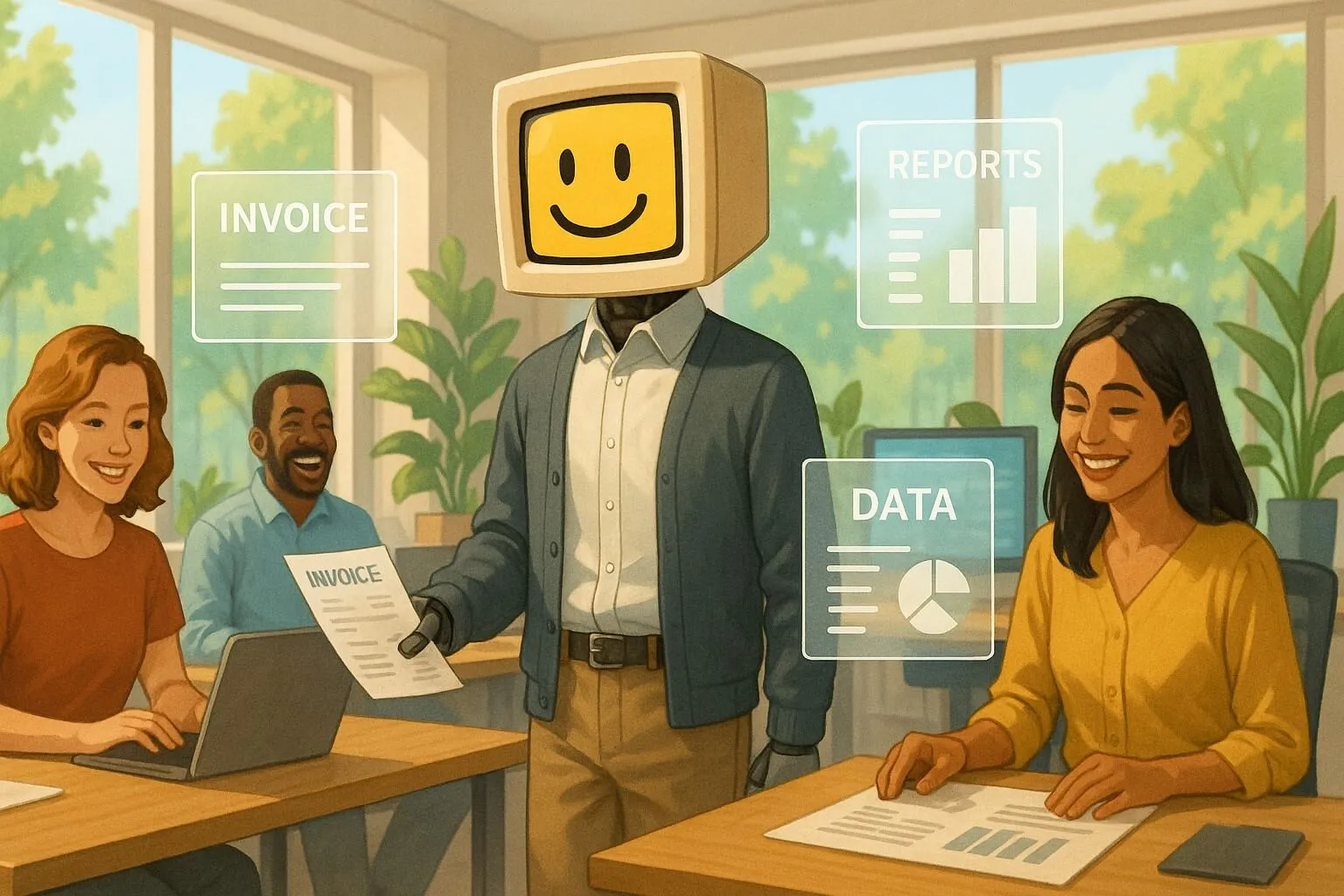
Automation should free your staff from administrative burden, not create new risks. AI tools should operate under community authority, not the other way around. When adopted carefully, with data sovereignty at the center, technology becomes a powerful tool for reclaiming administrative capacity and letting your community’s best people focus on community-facing work.
But it must be done on your terms.