How Automation Helps Band Offices Reclaim Time from Federal Reporting
Band office staff across Canada spend days assembling ISC and CIRNAC reports by hand. Automation can reduce federal reporting from days to hours, freeing your team to focus on serving the community.

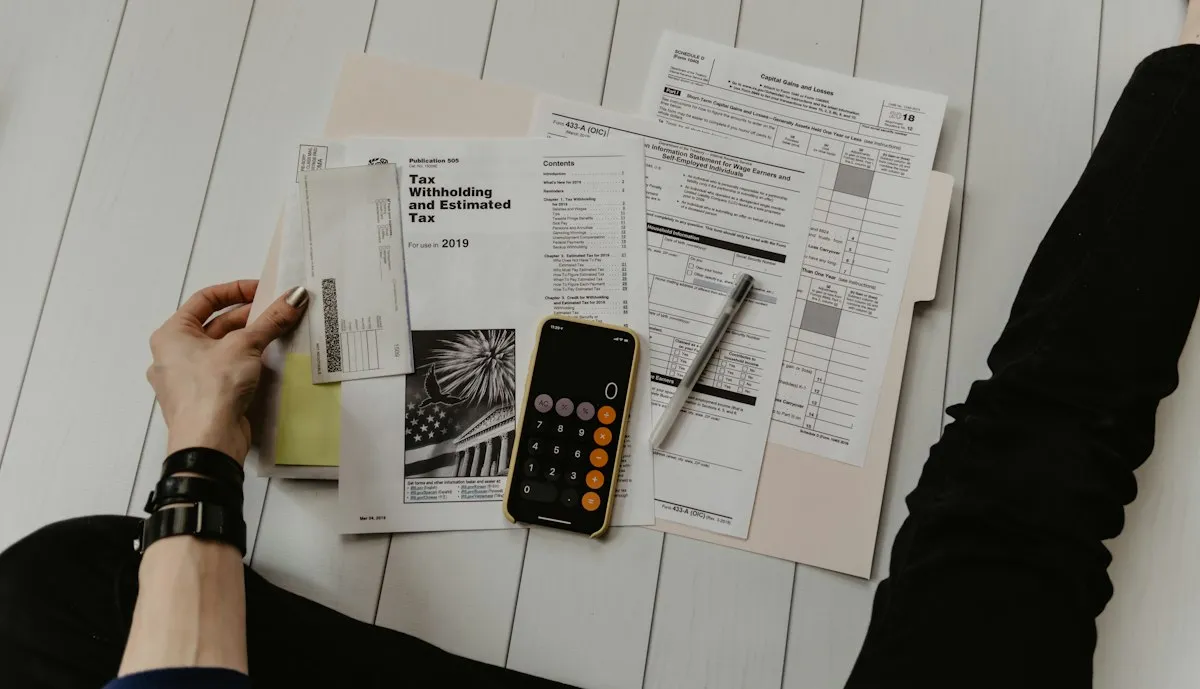
If you work in a band office, you know the feeling. Fiscal year-end approaches, and suddenly your most experienced staff are pulled away from community work to spend days cross-referencing spreadsheets, extracting data from legacy databases, and manually formatting reports for Indigenous Services Canada (ISC) and Crown-Indigenous Relations and Northern Affairs Canada (CIRNAC).
This is the reporting gap. The administrative effort required to report on federal funding vastly outweighs the capacity most communities have. Throughout the year, band offices must submit complex Data Collection Instruments (DCIs) covering social programs, education, infrastructure, housing, and more. The result is highly skilled administrators trapped in cycles of manual data entry instead of doing strategic, community-facing work.
The Real Cost of Manual Reporting
A typical reporting cycle looks like this:
- Data extraction: Finance staff manually pull expenditures from internal systems like Xyntax, Sage Intacct, or Adsum, often across departments that each maintain their own records
- Cross-referencing: Each internal line item must be mapped to the specific DCI format required by ISC or CIRNAC
- Validation: Staff manually check arithmetic, verify policy compliance, and review for transcription errors
- Submission: The final report is assembled and submitted under significant time pressure
If an error is found after submission, the process loops back, creating delays, funding interruptions, or federal audits.
How Automation Changes This
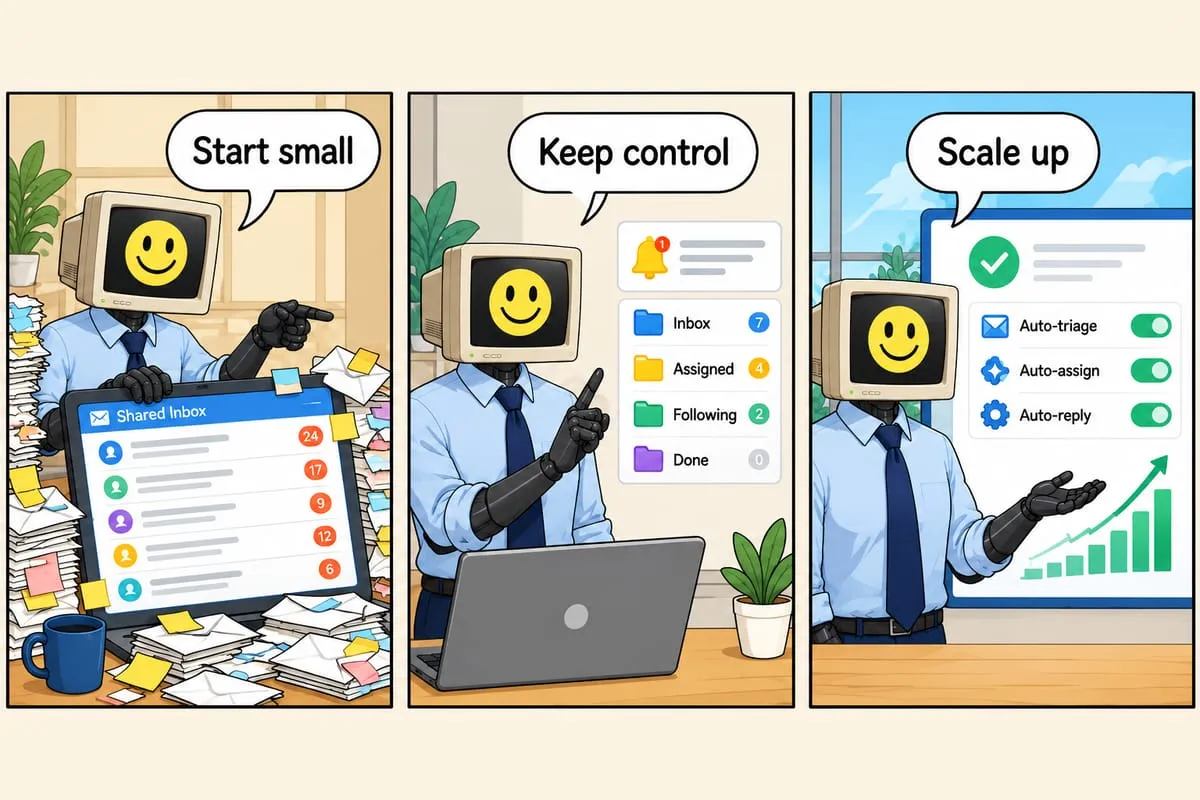
Automation doesn’t replace the critical oversight of your CFO or Band Council. It handles the rote aggregation and formatting so your team can focus on strategic analysis and community advocacy.
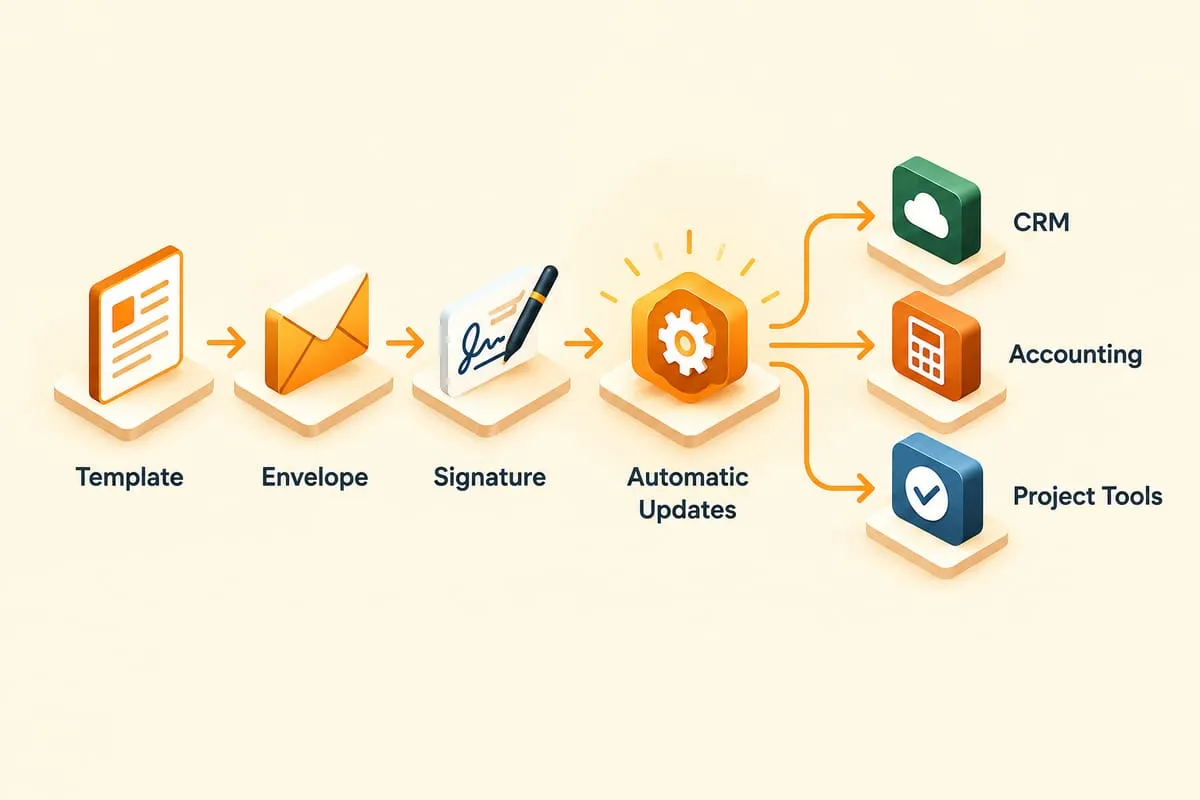
Automated data aggregation: Scheduled automation agents pull financial data from your existing systems continuously. There’s no end-of-period scramble because data is being consolidated all year.
Intelligent format mapping: The automation dynamically aligns your financial data with the DCI structure ISC or CIRNAC requires. When federal formats change, the mapping is updated once, not re-learned by every staff member.
Pre-submission validation: Automated logic checks ensure arithmetic accuracy, flag missing fields, and verify policy compliance before any report reaches a human reviewer. Errors are caught before they cause problems, not after.
Ready for review: Your CFO or Band Manager receives a finalized draft ready for executive review at period close, instead of assembling it from scratch.
This Is Not About Replacing People
Automation is a capacity-building tool. When a Band Manager spends thirty hours a week managing compliance spreadsheets, your community loses thirty hours of strategic leadership and advocacy. Automation reclaims that time. It reduces burnout, retains talent, and keeps institutional knowledge within the community even through staffing transitions.
Data Sovereignty at Every Step
At DigitalStaff, we follow the First Nations principles of OCAP (Ownership, Control, Access, and Possession) in every engagement:
- Your data stays in Canada, never routed through foreign servers
- Your community controls access through the exact permissions and rules you set
- No AI training on your data. Our automations are rule-based, following your protocols precisely
- Full audit trails so your team can verify exactly what was done, when, and by which process
Works With What You Already Have
Our approach works between your existing systems, whether that’s Xyntax, Sage, Adsum, or Excel spreadsheets. Automations act as lightweight connectors that gather, process, and format data from wherever it currently lives, without demanding a systems overhaul.
Getting Started
If your band office staff are spending days on reporting that should take hours, we should talk. We start every engagement by listening to your frontline staff to understand your specific workflows, pain points, and protocols before writing a single line of automation.
Every community is different. That’s the whole point.