The Hidden Costs of Legacy ERP Systems
Your ERP works fine. It's just quietly costing you a fortune in ways you've stopped noticing.


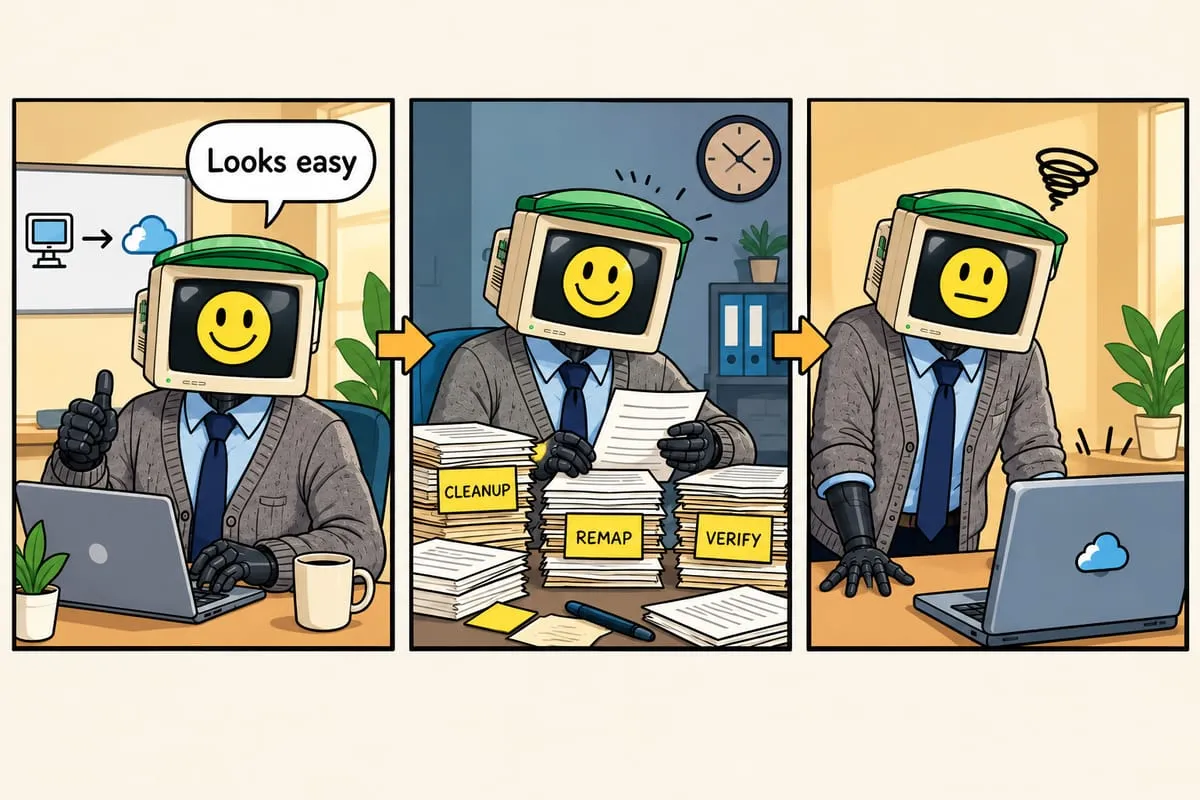
“It works” is the most expensive phrase in enterprise software.
Your ERP has been running for 15 years. It does the job. Sure, it looks like Windows 95, but the accountants know how to use it. Why mess with success?
Here’s why: because “it works” is hiding real costs.
The Costs You’ve Stopped Seeing
Recruitment premium. Finding someone who knows your ancient system costs more than hiring for modern tools. The talent pool shrinks every year as experts retire.
Training time. New hires take 3x longer to get productive on legacy systems. The documentation is outdated (or missing), and the person who knew everything left in 2019.
Productivity drain. That “few seconds” of lag every time you click adds up. Studies show slow software costs hours per week in lost productivity. You just don’t notice anymore.
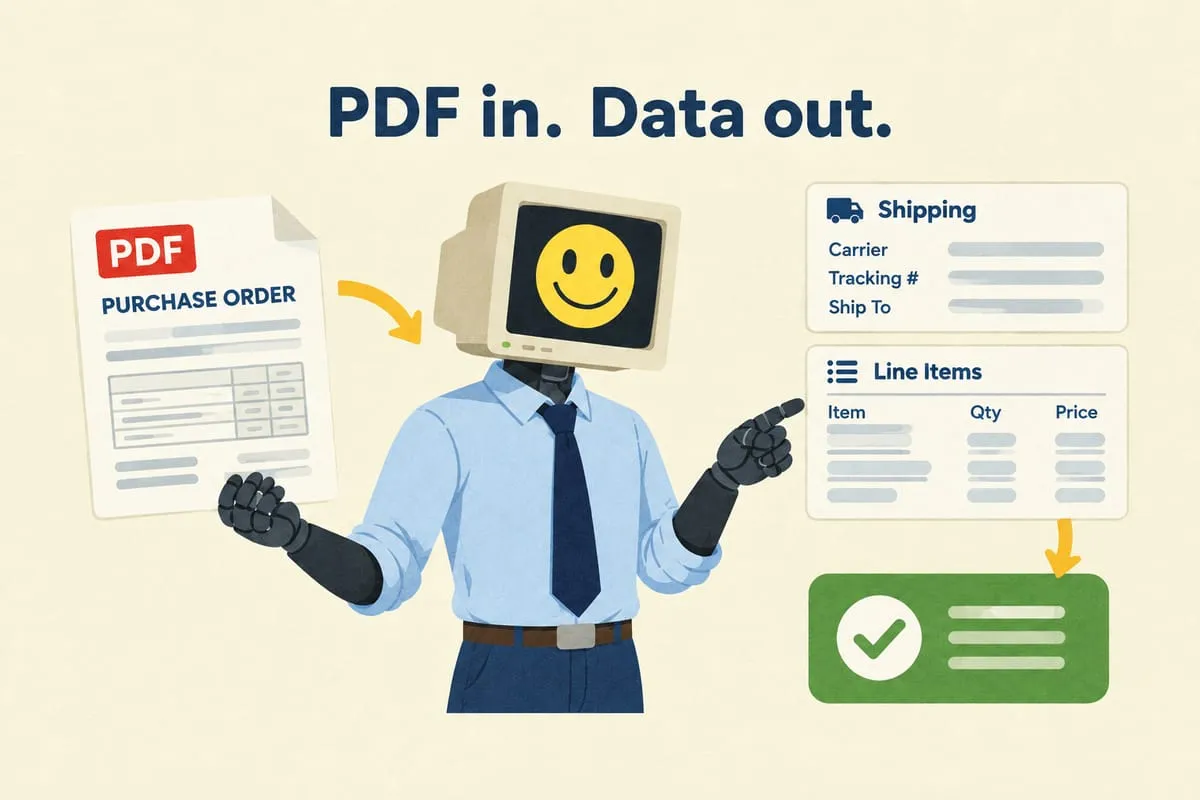
Integration impossibility. Every new tool requires a workaround. Modern software wants APIs. Your ERP wants… CSV files dropped in a folder? Maybe?
Error-prone workarounds. When systems don’t connect, humans become the integration layer. Humans make mistakes. Mistakes cost money.
The Compound Effect
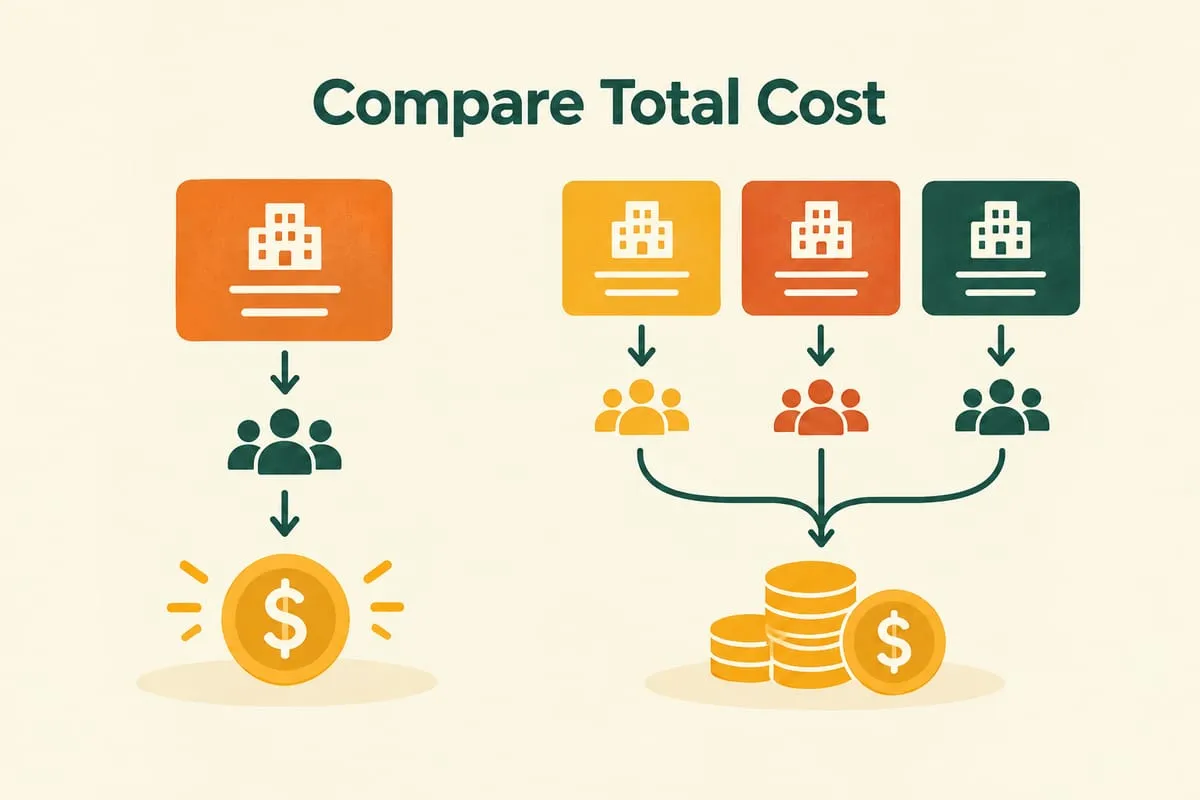
Here’s the math that hurts:
- 3 employees spending 5 hours/week on manual data transfer = 780 hours/year
- At $30/hour loaded cost = $23,400/year
- Multiply by 10 years of “it works” = $234,000
That’s just one workflow. Most companies have dozens.
What Actually Works
You don’t have to replace everything. That’s the nuclear option—expensive, risky, disruptive.
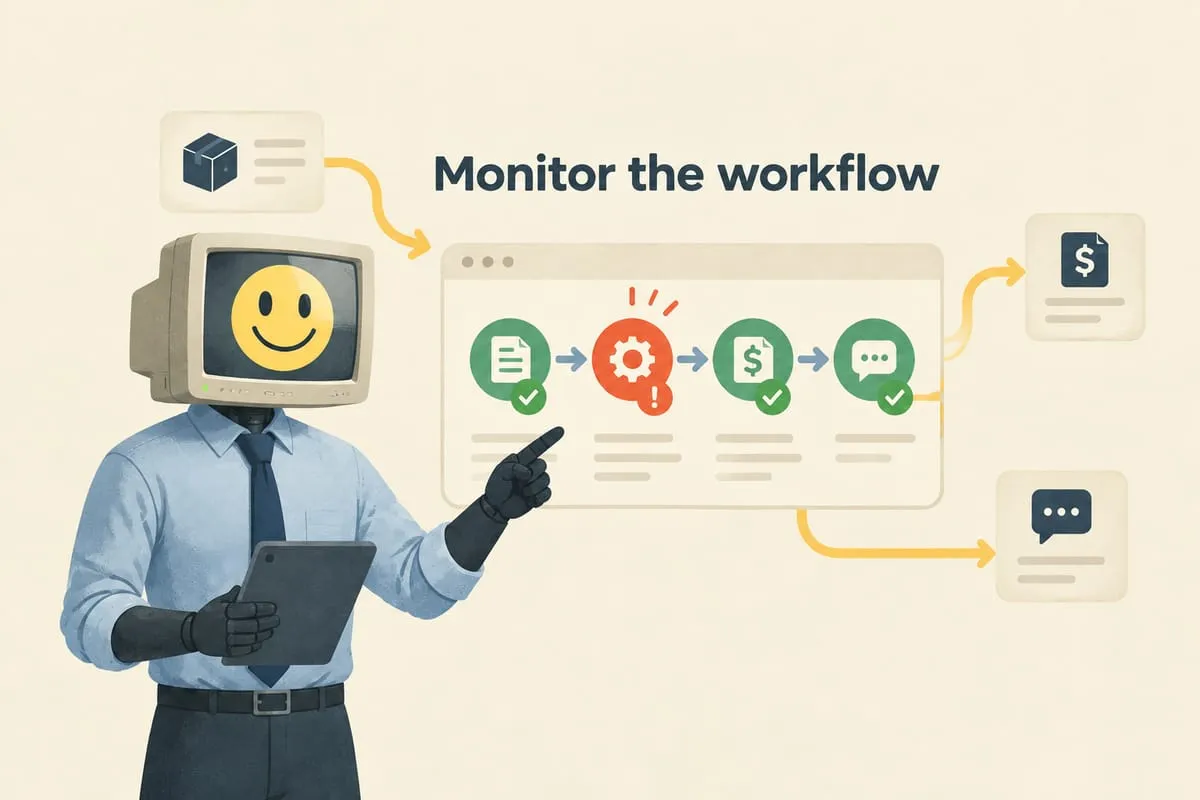
The middle path: automate around the legacy system. Keep your ERP as the system of record. Add modern integration layers that move data automatically.
File-based automation, RPA bots, database sync—these tools let you modernize processes without replacing the core system.
Your ERP can keep “working.” It just doesn’t have to drag everything else down with it.
Want to see what’s actually costing you? Get a free assessment and we’ll map your hidden legacy costs.