Why Discovery Matters More Than a Quick Build in Automation
The contractor built exactly what was asked for. It was also the wrong thing. Here's why skipping discovery creates more rework than it saves.

A contractor once built a client exactly what they asked for: an automation that pulled data from their CRM and pushed it into a weekly report. It worked perfectly.
The problem? The report was going to three people who didn’t read it anymore. The data it pulled was from fields the team had stopped using six months ago. And the actual bottleneck — the one costing the business 10+ hours a week — was two steps upstream, in how deals were being entered in the first place.
The automation was technically correct and practically useless. That’s what happens when you skip discovery.
What discovery actually looks like
Discovery isn’t a formality or a box to check. It’s the part of the engagement where your automation partner learns how your business actually runs — not just the process you want automated, but the context around it.
Good discovery covers:
- Business goals — not just “automate this report” but “what are you trying to achieve and why does this process exist?”
- Data flows — where does data come from, where does it go, and what happens to it along the way? A common discovery finding: a HubSpot pipeline has three overlapping date fields and different teams are using different ones. No automation would work correctly without knowing that first.
- Team dynamics — who touches this process, who’s the bottleneck, and who needs to approve changes? Sometimes the real problem isn’t the process — it’s that everything routes through one person’s inbox.
- Existing tools — what’s already connected, what’s been tried before, and what broke? It’s not unusual to find that a Sage 300 integration “doesn’t work” because it’s pulling from a staging environment nobody realized was still active.
None of this shows up in a requirements document. And a contractor who says “just give me the spec” will never find it.
Why skipping discovery costs more
It feels faster to jump straight to building. It isn’t.
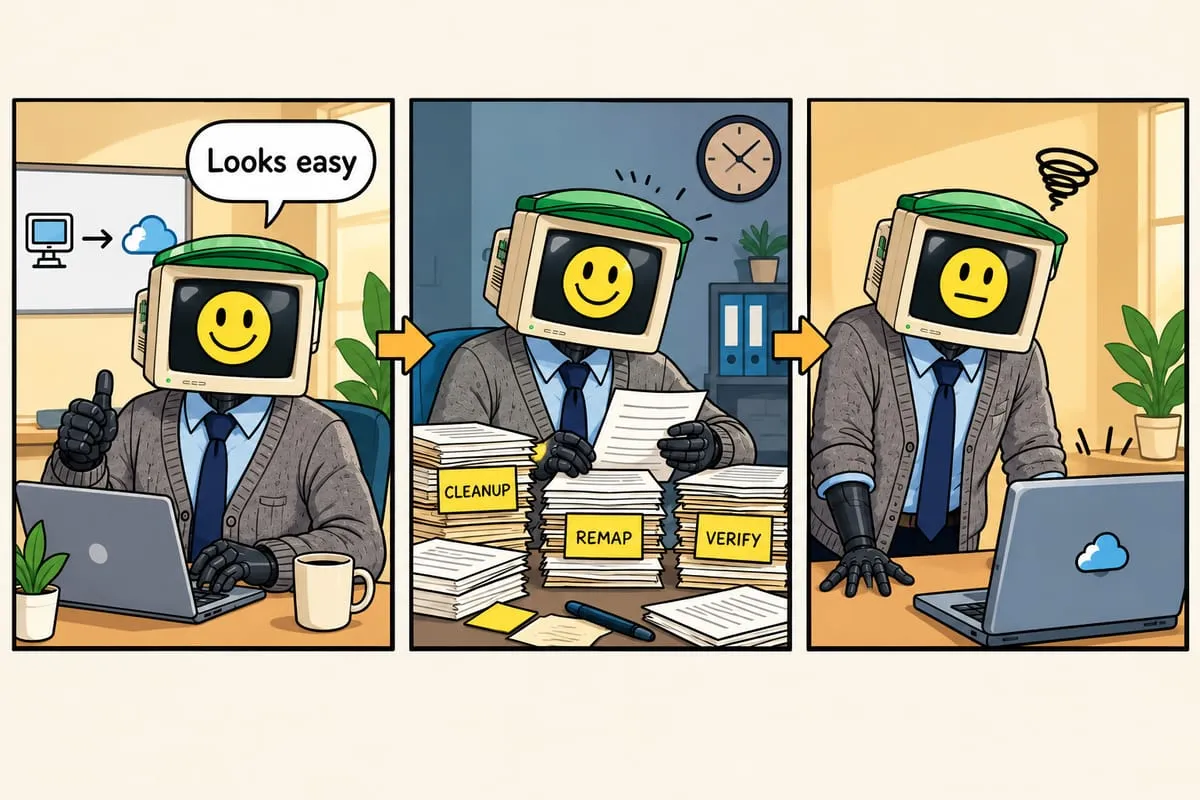
Without discovery, you get automations that solve the stated problem but miss the actual one. You get workflows that break because nobody mapped the data dependencies. You get rework when the team says “that’s not how we actually do it” after the build is done.
In practice, it’s common for a $3,000–5,000 automation build to need another $2,000–3,000 in fixes because the original scope missed critical context. Discovery — even just a few focused hours — would’ve cost a fraction of that rework.
What comes out of discovery
Discovery isn’t just a conversation. It produces real deliverables:
- A process map of how your workflows actually run today (not how you think they run)
- A dependency map showing which systems, fields, and teams are connected
- A prioritized project list based on impact, risk, and effort — not just what feels urgent
- A scope document that both sides agree on before a single automation gets built
That’s why discovery is a paid phase, not a free intro call. It takes real work, and the output is valuable whether or not you move forward with the build.
The compounding effect
Here’s where discovery really pays off: it compounds.
Your first project with a partner who does proper discovery is the slowest — they’re learning your systems, your preferences, your quirks. By the third or fourth project, they already know your Sage 300 setup, your HubSpot field structure, your team’s communication patterns, and which processes are connected to which.
Project five gets scoped in half the time because the partner already has the context. They start suggesting automations you hadn’t even thought of, because they can see connections across your workflows that you can’t see from inside the day-to-day.
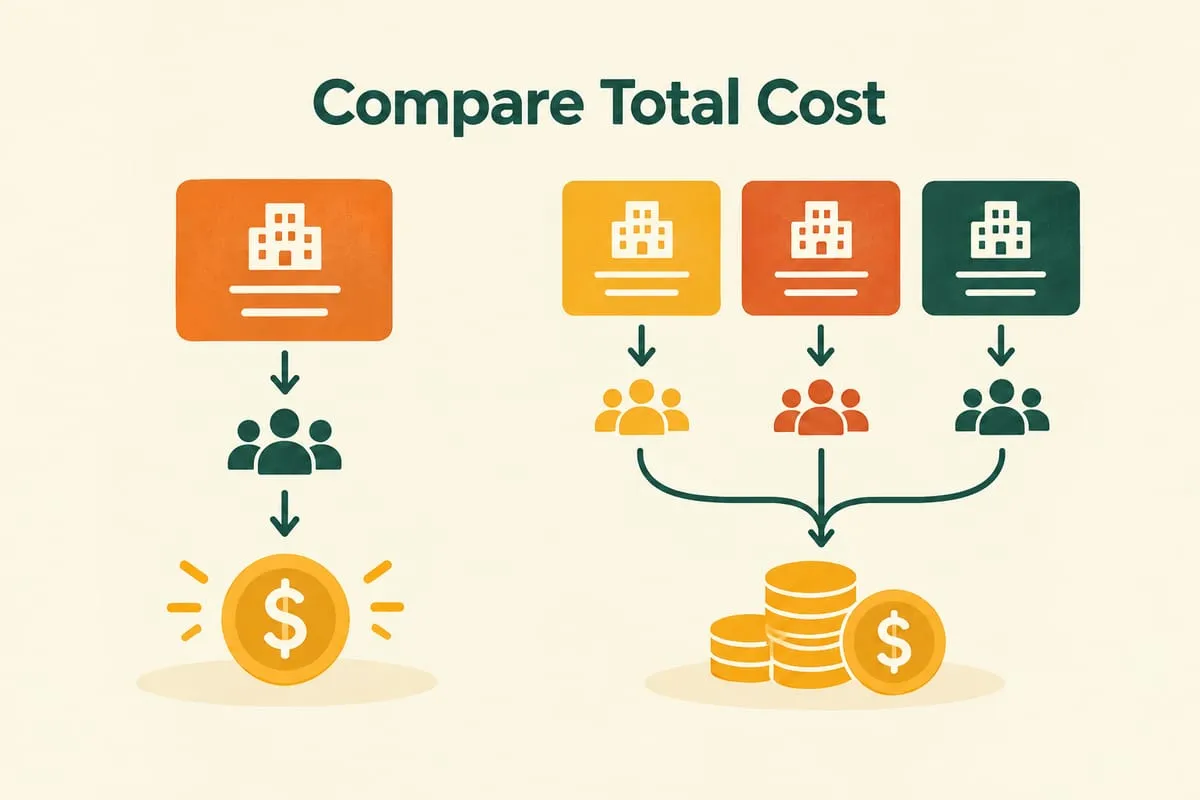
That compounding knowledge is an asset. Every time you switch vendors and skip discovery with a new contractor, you’re starting from zero and paying the learning-curve tax again.
Related: How to choose a single automation partner you can actually trust long-term →
The contractor who builds exactly what you asked for isn’t necessarily doing a good job. The partner who pushes back, asks “why,” and maps the full picture before writing a single line of automation — that’s who saves you real time and money.
At DigitalStaff, every engagement starts with discovery. Not because it’s a nice process to have — because it’s the only way to build automations that actually work for your business.