When to Consolidate Your Automation Vendors
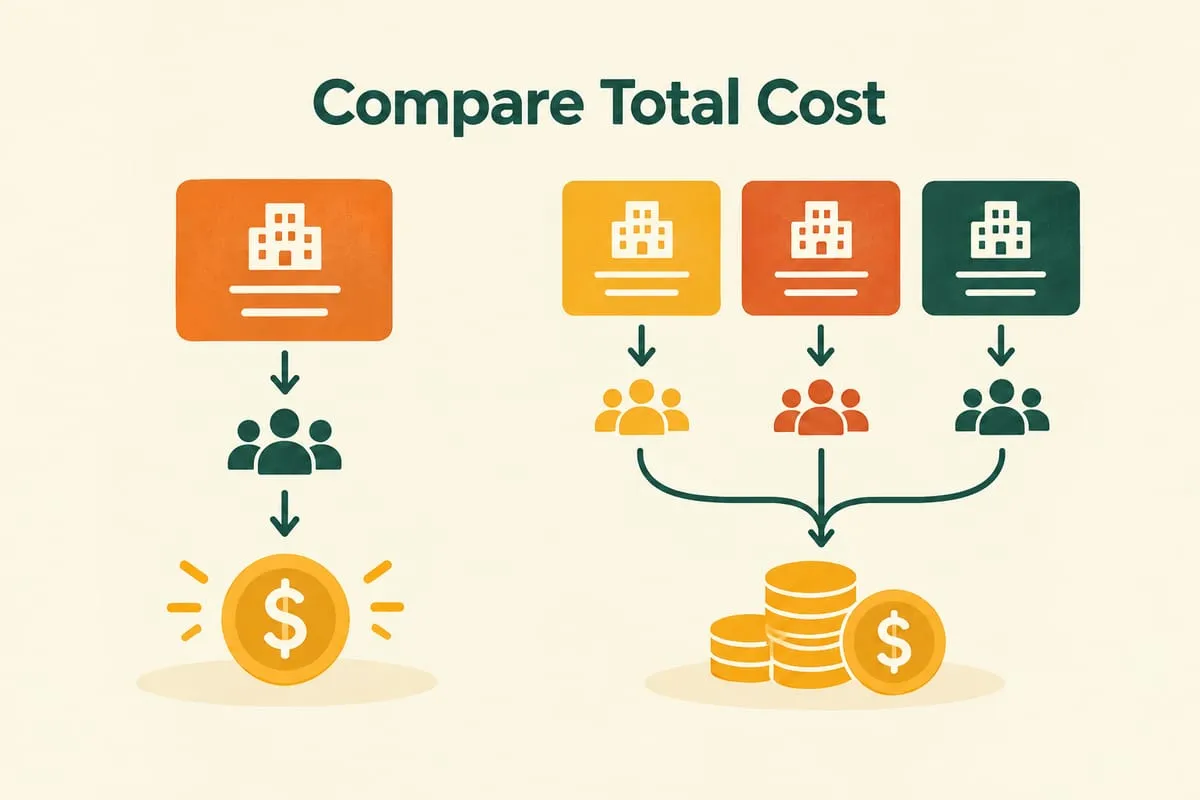
If you're managing three vendors, nothing connects, and you've become the project manager for all of it — it might be time to consolidate.


You’ve got three automation vendors. One built your HubSpot onboarding flow. Another handles your QuickBooks Online invoicing sync. A third did something with your project management tool six months ago, and honestly, you’re not entirely sure what it does anymore.
Nothing connects. You’re the one making sure the pieces fit together. When something breaks, you’re playing detective before you can even call the right vendor.
Sound familiar? Here are the signs it’s time to consolidate.
Signs your multi-vendor setup isn’t working
You’re the project manager for all of it. You spend hours every week in status calls, translating between vendors, resolving conflicts, and answering the same questions about your systems that your first vendor already knew the answer to.
Nobody can explain how it all connects. Vendor A knows their piece. Vendor B knows theirs. But when you need to trace how a new lead flows from your CRM to your invoicing to your reporting dashboard — nobody has the full picture. You’re the only one, and you built it from memory.
When something breaks, there’s finger-pointing. A common pattern: one vendor updates a shared HubSpot field — say, renaming “Won” to “Closed Won” — and another vendor’s QuickBooks sync breaks silently because it was matching on the old value. Neither vendor catches it. You find out two weeks later from a client asking about a missing invoice.
Maintenance is a mess. One vendor responds in hours. Another takes days. The third one you haven’t heard from since the build finished. You’re thinking about hiring a fourth vendor just to maintain what the others left behind.
What consolidation actually looks like
Consolidation doesn’t mean ripping everything out and starting over. That’s expensive and unnecessary.
It usually looks more like this:
-
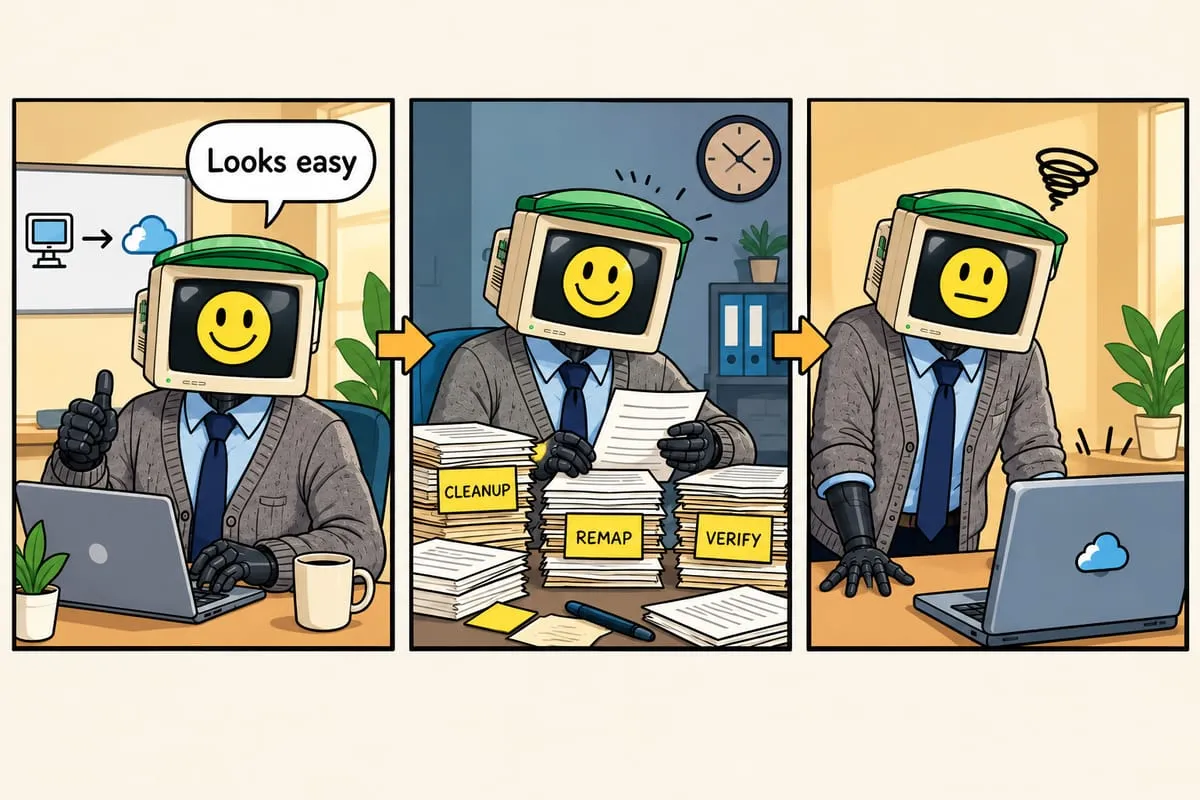
Audit what you have. Map every automation, who built it, what it touches, and how it connects to the rest. This is often eye-opening — most businesses discover automations they forgot existed.
-
Prioritize by risk. What’s most likely to break? What handles the most sensitive data? What causes the most support tickets? Start there.
-
Migrate in phases. A good partner takes over maintenance of existing automations first, learns the codebase, then rebuilds or improves the pieces that need it. No big-bang cutover.
-
Document everything. By the end, you should have one architecture, one set of documentation, and one team that can explain the whole system to an auditor or a new hire.
The goal isn’t to redo everything your previous vendors built. It’s to get one team with full context so you can stop being the bottleneck.
How to evaluate whether it’s worth it
Ask yourself:
- How many hours a week do you spend coordinating between vendors?
- When was the last time something broke because two automations stepped on each other?
- Could any of your vendors explain your full automation ecosystem on a whiteboard?
- If a vendor disappeared tomorrow, could someone else maintain what they built?
If the answers make you uncomfortable, consolidation will probably pay for itself in the first few months — just in recovered coordination time.
Related: The real cost of managing multiple automation contractors →
When you might not need to consolidate
To be fair — multiple vendors isn’t always the problem.
If you have a strong internal automation lead who owns the architecture and coordinates between vendors, multiple specialists can work fine. If you need a one-off standalone task that genuinely doesn’t touch anything else, a freelancer might be perfectly reasonable.
The problem isn’t “many vendors” by itself. It’s many vendors without shared architecture, clear ownership, and someone accountable for how the pieces fit together. If you have that governance in place, you may be fine. If you don’t, that’s when the cracks start showing.
If you’re feeling the pain of managing multiple vendors and want to see what consolidation would look like for your setup, we can help. We start with an audit of what you have and a clear plan for what to do about it.