10 Ways Small Businesses Are Using AI Chatbots in 2026
AI chatbots aren't just for big companies anymore. Here are 10 practical ways small businesses are using chatbots to capture leads, support customers, and save time in 2026.

A few years ago, AI chatbots felt like something only big corporations could afford. Custom development, expensive AI infrastructure, months of implementation — it was out of reach for most small businesses.
That’s changed. In 2026, small businesses across every industry are using AI chatbots to capture more leads, support customers around the clock, and free up their teams from repetitive work.
Here are 10 practical ways they’re doing it.
1. Capturing Leads After Hours
This is the biggest win for most small businesses. Your website gets traffic at all hours — evenings, weekends, holidays — but your team isn’t online to respond.
An AI chatbot engages visitors the moment they land on your site. It answers their initial questions, collects their contact information, and qualifies whether they’re a good fit — all before your team even sees the lead.
The result: Businesses with AI chatbots typically see a 3x increase in lead capture compared to a simple contact form.
2. Answering FAQs Instantly
Every business has a list of questions they answer dozens of times per week. “What are your hours?” “Do you serve my area?” “How much does X cost?” “What’s included in the package?”
Instead of your team spending time on these repetitive questions — or worse, letting them pile up in an inbox — the chatbot answers them instantly, every time, with accurate information pulled from your business content.
3. Booking Appointments and Meetings
Many service businesses — consultants, agencies, healthcare providers, law firms, contractors — rely on booked appointments.
AI chatbots can qualify prospects through a few quick questions, then offer available time slots and book the meeting directly into your calendar. No back-and-forth emails. No missed opportunities because someone didn’t respond fast enough.
4. Qualifying Leads Before They Reach Your Sales Team
Not every inquiry is a good lead. AI chatbots can ask qualifying questions — budget, timeline, location, project scope — and route only qualified leads to your team.
This saves your sales team from spending time on prospects who aren’t a fit, and it gives them better context for the conversations that do matter.
5. Providing Product and Service Recommendations
For businesses with multiple products or services, an AI chatbot can act as a guided sales assistant. It asks about the customer’s needs, situation, and preferences, then recommends the most relevant option.
Think of it as the “helpful store associate” experience — but available 24/7 on your website.
6. Handling Customer Support Requests
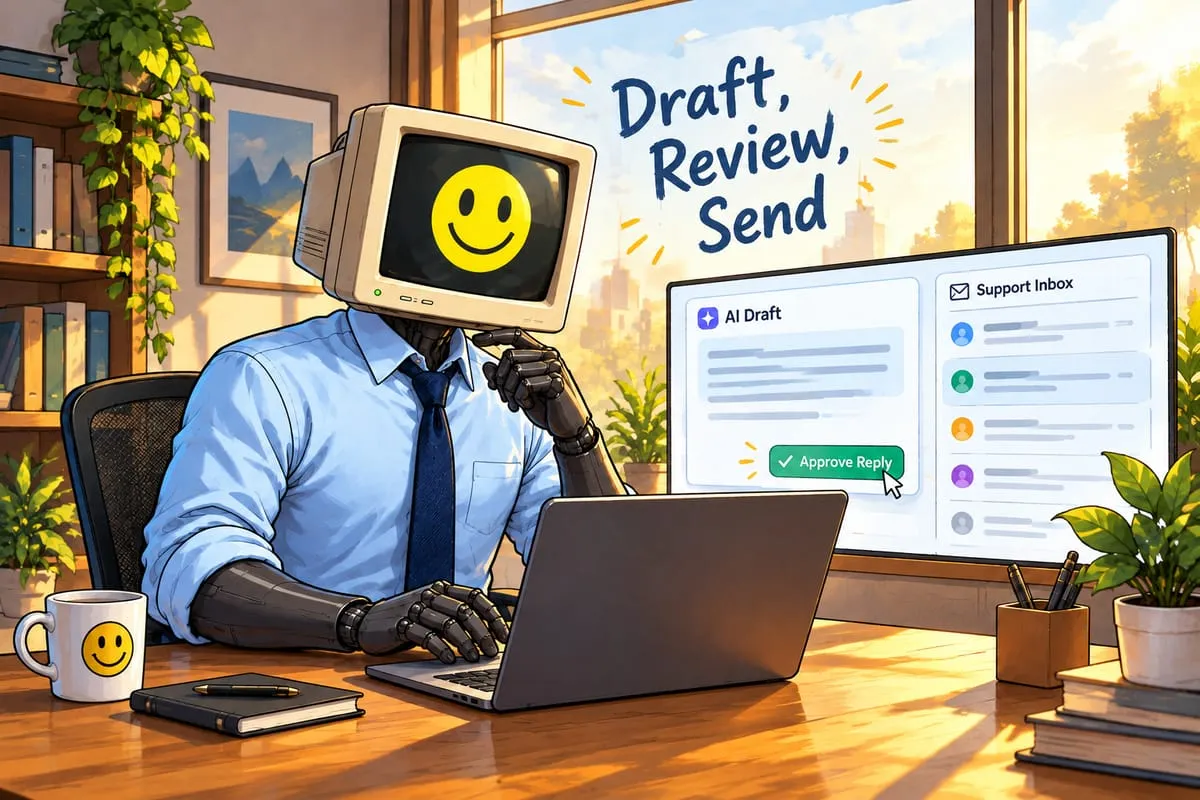
When a customer has an issue, the last thing they want is to wait. AI chatbots provide instant responses to common support questions: order status, return policies, troubleshooting steps, account information.
For issues the chatbot can’t resolve, it collects all the relevant details and escalates to a human with the full conversation history — so the customer doesn’t have to repeat themselves.
7. Onboarding New Customers
After someone becomes a customer, there’s usually an onboarding process: setup instructions, account configuration, getting-started guides, welcome sequences.
AI chatbots can walk new customers through this process step by step, answer their questions along the way, and reduce the support load during those critical first days.
8. Internal Knowledge Management
This one isn’t customer-facing, but it’s equally valuable. Small businesses often have policies, procedures, and institutional knowledge trapped in documents, shared drives, and people’s heads.
An internal AI chatbot — powered by RAG technology — lets employees search across all company content instantly. “What’s our PTO policy?” “Where’s the client proposal template?” “How do we handle refunds over $500?” Instant answers, every time.
9. Collecting Customer Feedback
AI chatbots can naturally ask for feedback at the right moment — after a purchase, after a support interaction, or after a service is delivered. They can ask follow-up questions based on responses, making the feedback more useful than a generic survey.
Because it’s conversational rather than a form, response rates tend to be higher.
10. Multilingual Customer Support
If your business serves customers who speak different languages, an AI chatbot can communicate in multiple languages without needing multilingual staff. This opens up your business to a broader audience without the cost of hiring additional team members.
Why Small Businesses Have an Advantage
Here’s something counterintuitive: small businesses often get more value from AI chatbots than large enterprises.
Why? Because at a small business, every team member is stretched thin. The owner might be the salesperson, the support rep, and the account manager. An AI chatbot acts as an always-on team member that handles the tasks no one has time for — without adding payroll.
Large companies have the headcount to staff a support team around the clock. Small businesses don’t. That’s exactly why a chatbot makes such a difference.
Getting Started Is Easier Than You Think
You don’t need enterprise-grade infrastructure or a massive budget. A custom AI chatbot built for your specific business can be up and running in as little as 1-2 weeks.
The first step is identifying which of these use cases would make the biggest impact for your business. Usually it comes down to one question: Where are you losing the most time or the most leads?
Get your free AI automation plan to see how a chatbot could work for your business, or schedule a call to talk through your specific situation.
Want to see what a custom AI chatbot looks like in practice? Try Winston in the bottom right corner of this page. He’s the same type of chatbot we build for our clients.