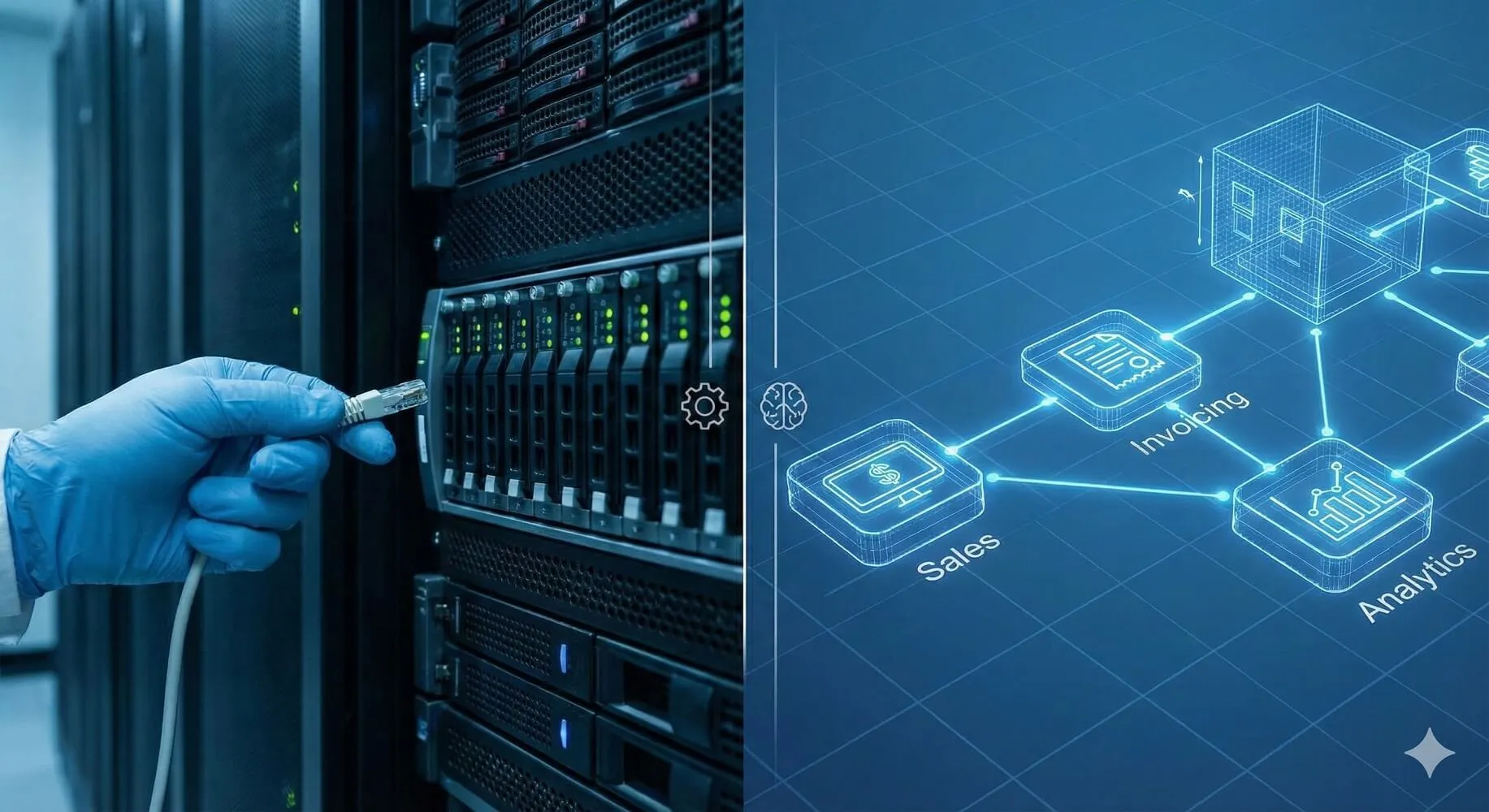
Stop Vibe Coding Your Business Automations
ChatGPT can build you an automation in 10 minutes. What it can't tell you is all the ways it'll break in production.

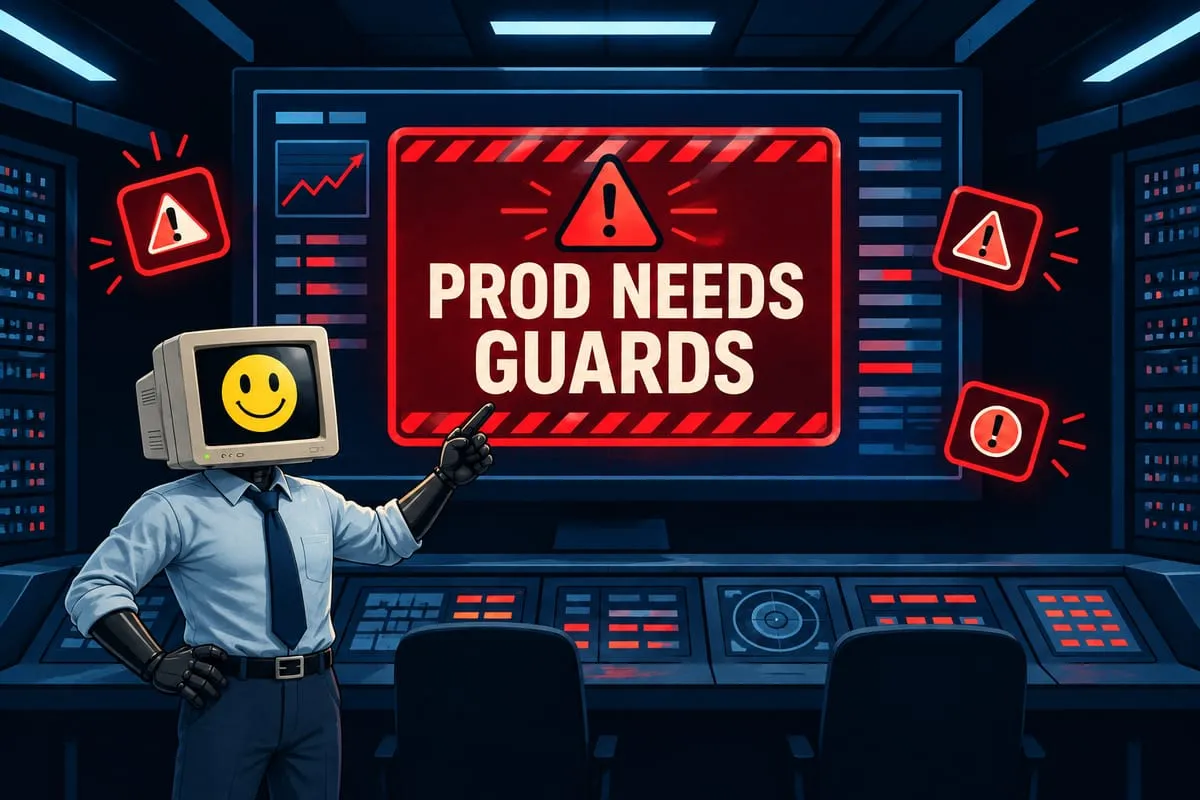
ChatGPT can build you an automation in 10 minutes. What it can’t tell you is all the ways it’ll break when real work depends on it.
What Vibe Coding Is
“Vibe coding” is when someone uses AI to quickly generate an automation without fully understanding how it works, how it handles problems, or what happens when something unexpected comes in. You describe what you want, the AI spits something out that seems to work with your test data, and you put it to work.
“It works on my test data” becomes “it’s running my business.”
Why It’s Tempting
It’s fast. It’s cheap. And for simple, low-stakes things, it’s totally fine. A Slack notification when a new email arrives? Go for it. A spreadsheet that logs form submissions? No problem.
The stakes on those are low. If they break, you miss a notification. Nobody loses money. Nobody gets a wrong invoice.
Where It Goes Wrong
The problems start when these quick-and-dirty automations touch your customers, your money, or your reputation.
Things fail silently. Your accounting software’s API goes down for maintenance. Your quick automation doesn’t know what to do, so it just… stops. Nobody gets notified. Orders pile up. You find out when a customer calls asking where their invoice is.
Things run twice. A network hiccup causes the automation to retry. Without proper safeguards, you get duplicate invoices sent to customers. Duplicate orders placed with suppliers. Duplicate emails. Your customer gets two identical invoices and wonders if they owe you double.
Things fail halfway. A multi-step process creates the invoice but doesn’t place the supplier order. Now you’ve billed a customer for something that was never ordered. Without proper tracking, nobody knows this happened until the customer complains weeks later.
Nobody’s watching. How do you know the automation stopped working? If it processes orders and one morning it stops, how long until someone notices? A day? A week? What happens to all the orders that didn’t get processed?
There’s no paper trail. An invoice has the wrong amount. When did it go wrong? What data came in? What calculation was applied? Without records, you’re guessing.
Real Consequences
These aren’t hypothetical. We’ve seen businesses deal with all of these:
Duplicate invoices sent to customers. Orders placed twice with suppliers, resulting in double shipments and costly returns. Confirmation emails sent multiple times, making the business look unprofessional. Data silently lost because something failed and nobody was notified. Payments applied to the wrong invoices, creating accounting chaos that takes hours to untangle.
Every one of these costs more to fix than it would have cost to build the automation properly in the first place.
What Production-Ready Looks Like
If an automation touches your customers, your money, or your reputation, it needs to be built with certain safeguards:
It should be safe to retry. If something runs twice, the system is smart enough to recognize the first run already completed and skip the duplicate. No double invoices. No double orders.
You should be able to see where everything is. Every order, invoice, and email should have a visible status. If something is stuck, you can see it immediately — not after a customer complains.
Problems should be caught and escalated. When something fails, the system should catch it, log what happened, and alert a real person with enough context to fix it. Not a silent failure. Not a log file nobody reads. An actual notification. Read more: What Happens When the Automation Breaks? (Spoiler: We Already Know)
Someone should be able to review and approve. For high-stakes actions, a human should be in the loop — able to review, approve, pause, or override before anything goes out the door. Read more: How to Set Up Human Approval Steps in Business Automation
The Bottom Line
Vibe coding is great for exploring ideas and testing whether something is worth building. Use it for that.
But when it’s time to put an automation into production — when real customers, real money, and your reputation are on the line — it needs to be built properly. The cost of building it right is a fraction of the cost of cleaning up after it goes wrong. And the cleanup isn’t just financial. It’s customer trust, supplier relationships, and your own peace of mind.
If you’ve got an automation running your business that was built quickly and you’re not sure how solid it is, let’s take a look. Sometimes the fix is small. Sometimes it needs a rebuild. Either way, it’s better to know.